The immune system doesn't want your gene therapy to workJuly 15, 2026
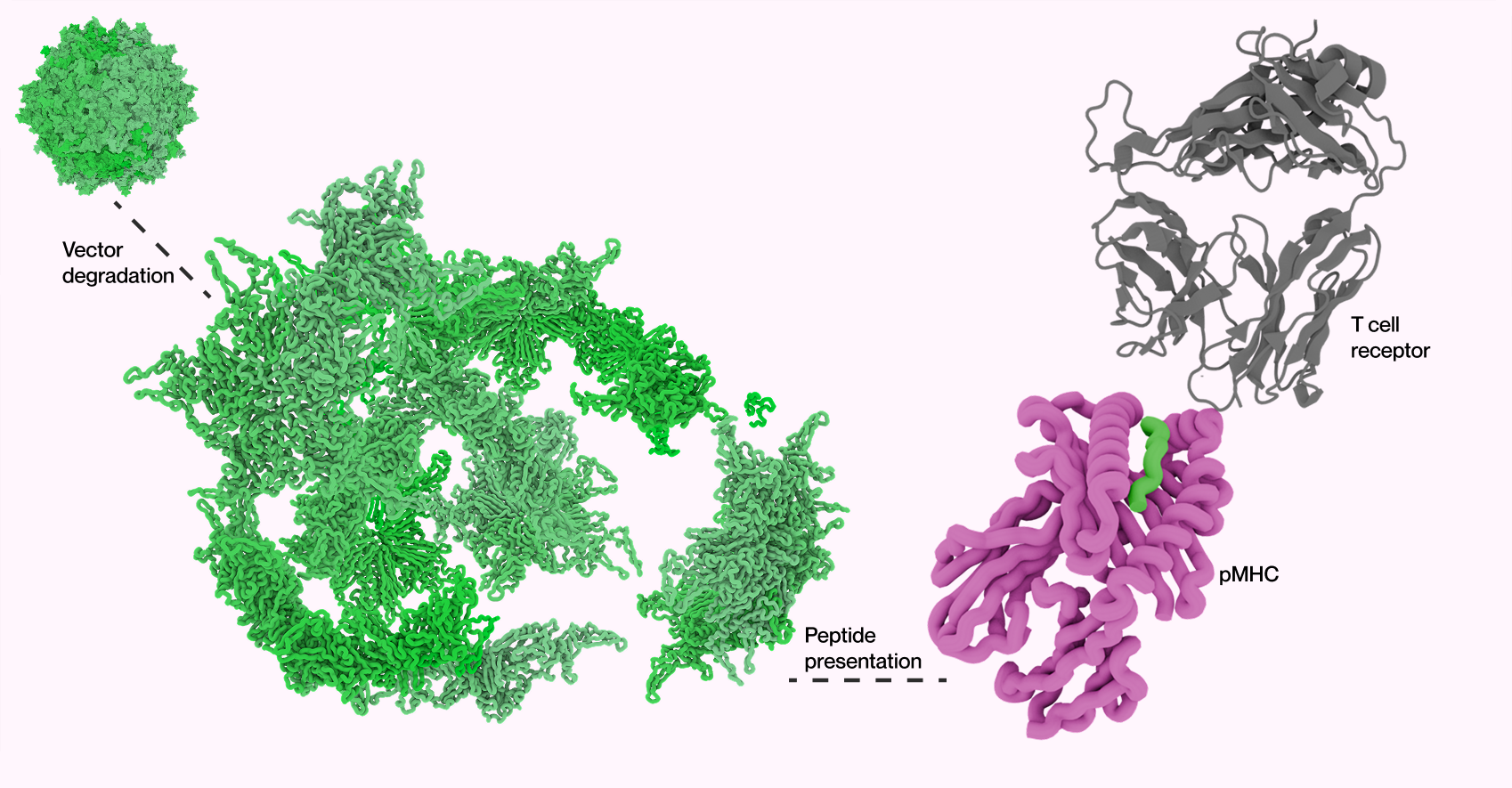
The immune system resists outside influences to the body. How should that factor into designing gene therapies? When it comes to adaptive immune responses, you have to contend with the paired problems of what you deliver and how you deliver it being recognised by the immune system. Here I'm talking about T cell responses which have the potential to both cause severe reactions, especially with high doses, and result in loss of expression if transduced cells are selectively cleared. Currently immunosuppression is the mitigation favoured in the clinic but better approaches are possible.
Read More Expanding the viral vector search spaceJune 17, 2026

Complex problems in biology often have one big question around every experimental corner: are we measuring and optimising for the right thing? This is often a challenge as things move towards the clinic, since big open scientific questions rarely take priority over finding a solution that moves the needle for a therapy quickly. In viral vector engineering for gene therapy, directed evolution and computational strategies have usually aimed to optimise for the outcome of an in vivo study or more recently target an individual receptor. The underlying biology of these viruses is far more complicated than what's being targeted by existing approaches. This limits the potential of what we can do by narrowing focus too early. Gaps in our functional knowledge are one reason things are done this way. Here I'm arguing another path is both necessary and possible.
Read More Neutralising the neutralising antibody problemMay 1, 2026

Viral vector gene therapy is the clinically validated route to cures for diseases that have no treatment. A recent editorial from Nature Medicine put forward a strong argument that now is the time to push on gene therapies, to gain from the momentum of recent successes and adapt to mitigate the setbacks. Immunogenicity continues to be a challenge and the source of some notable setbacks in viral delivery. In the spirit of momentum building, this blog is laying out the current state of one aspect of viral vector immunogenicity, neutralising antibodies. This is a huge challenge to therapeutic success and one which I see as an open engineering problem to be solved.Adeno associated virus (AAV) is the most widely used and successful vector for gene therapies; however, innate and adaptive immune responses limit efficacy, exclude large numbers of patients from trials and can be the source of serious adverse events. While there has been a lot of work done on immune responses to AAV already, with a big impressive uptick recently, we've only scratched the surface in our understanding.
Read More Starfish: Fast Capsid Structure GenerationFebruary 4, 2026
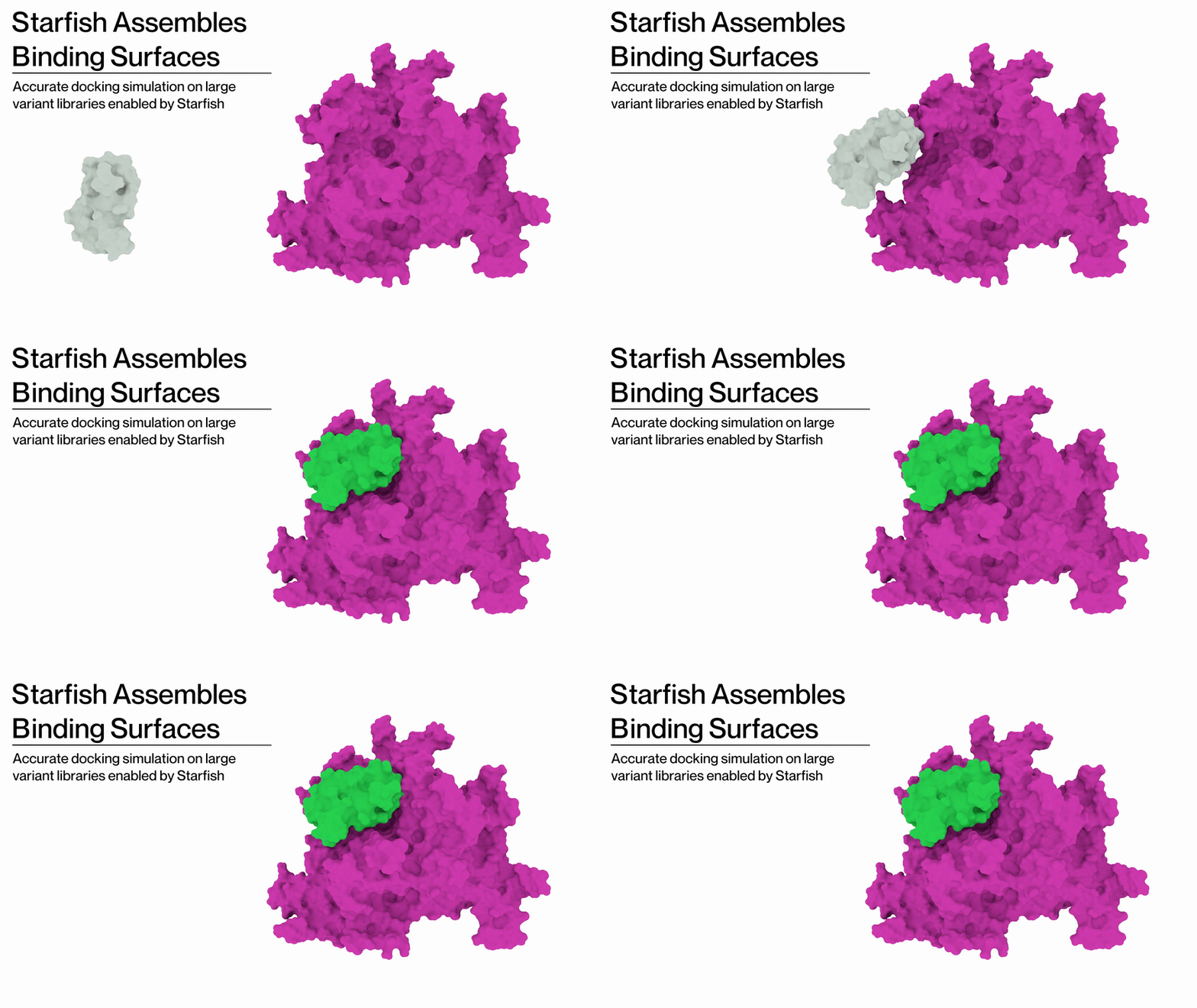
Starfish is an AI and physics-based structure generation pipeline enabling fast, accurate and physically plausible capsid structure generation capable of large library screening tasks. It is allowing us to run docking and structural analysis tasks at scale as part of nAAVigator.
Read More LirEvolve: Viral DNA Foundation ModellingDecember 18, 2025
LirEvolve is a viral foundation model which is already state-of-the-art in predicting the viability of novel viral vector designs. It is currently being improved further with our own in-house data, with the continued goal of a broadly applicable toolkit for viral vector evolution. This model is allowing Lir to accelerate the work in our lab already. It enables us to run more efficient experiments and focus on generating high quality datasets in every experimental run.
Read More